


The knowledge, skills and attitudes that every graduate of the B.Tech programme in Electrical & Electronics Engineering is expected to demonstrate upon completion.

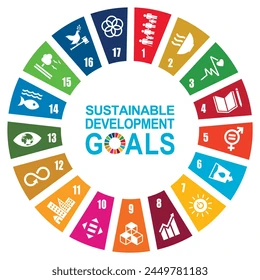


Engineering graduates of the EEE Department will be able to demonstrate the following twelve program outcomes, aligned with the NBA graduate attributes framework. These outcomes define the knowledge, skills and attitudes that every graduate is expected to possess upon completion of the B.Tech programme.
PO1Engineering Knowledge |
Apply the knowledge of mathematics, science, engineering fundamentals, and an engineering specialization to the solution of complex engineering problems. MATHEMATICS -- ENGINEERING FUNDAMENTALS -- PROBLEM SOLVING
|
PO2Problem Analysis |
Identify, formulate, review research literature, and analyze complex engineering problems reaching substantiated conclusions using first principles of mathematics, natural sciences, and engineering sciences. RESEARCH LITERATURE -- ANALYSIS -- FIRST PRINCIPLES
|
PO3Design / Development of Solutions |
Design solutions for complex engineering problems and design system components or processes that meet specified needs with appropriate consideration for public health, safety, cultural, societal and environmental factors. SYSTEM DESIGN -- SAFETY -- ENVIRONMENTAL FACTORS
|
PO4Conduct Investigations |
Use research-based knowledge and research methods including design of experiments, analysis and interpretation of data, and synthesis of the information to provide valid conclusions. EXPERIMENTS -- DATA ANALYSIS -- VALID CONCLUSIONS
|
PO5Modern Tool Usage |
Create, select, and apply appropriate techniques, resources, and modern engineering and IT tools including prediction and modeling to complex engineering activities with an understanding of the limitations. ENGINEERING TOOLS -- IT TOOLS -- MODELLING
|
PO6The Engineer and Society |
Apply reasoning informed by contextual knowledge to assess societal, health, safety, legal and cultural issues and the consequent responsibilities relevant to the professional engineering practice. HEALTH & SAFETY -- LEGAL ISSUES -- CULTURAL AWARENESS
|
PO7Environment & Sustainability |
Understand the impact of professional engineering solutions in societal and environmental contexts, and demonstrate the knowledge of, and need for sustainable development. CLEAN ENERGY -- SUSTAINABLE DEVELOPMENT -- ENVIRONMENTAL IMPACT
|
PO8Ethics |
Apply ethical principles and commit to professional ethics and responsibilities and norms of the engineering practice. PROFESSIONAL ETHICS -- INTEGRITY -- RESPONSIBILITY
|
PO9Individual and Team Work |
Function effectively as an individual, and as a member or leader in diverse teams, and in multidisciplinary settings. TEAM LEADERSHIP -- MULTIDISCIPLINARY -- COLLABORATION
|
PO10Communication |
Communicate effectively on complex engineering activities with the engineering community and with society at large — comprehending and writing effective reports, making effective presentations, and giving and receiving clear instructions. REPORTS -- PRESENTATIONS -- CLEAR INSTRUCTIONS
|
PO11Project Management and Finance |
Demonstrate knowledge and understanding of the engineering and management principles and apply these to one's own work, as a member and leader in a team, to manage projects and in multidisciplinary environments. PROJECT MANAGEMENT -- FINANCE -- LEADERSHIP
|
PO12Life-long Learning |
Recognize the need for, and have the preparation and ability to engage in independent and life-long learning in the broadest context of technological change. LIFELONG LEARNING -- ADAPTABILITY -- TECHNOLOGICAL CHANGE
|
In addition to the 12 Program Outcomes, Electrical & Electronics Engineering graduates will demonstrate these two domain-specific outcomes unique to the programme.
PSO1Design & Test |
Design, analyze, and test components and systems associated with electrical engineering using modern hardware and software tools— applying theoretical knowledge to practical implementation with proficiency in industry-standard simulation and design environments.
CIRCUIT DESIGN -- SYSTEM ANALYSIS -- HARDWARE TOOLS -- SOFTWARE TOOLS -- TESTING & VALIDATION
|
PSO2Electronic Systems |
Specify and design electronic systems that perform control, analog and digital signal processing functions— bridging the gap between classical electrical engineering and modern electronics to build integrated, intelligent systems. CONTROL SYSTEMS -- ANALOG SIGNAL PROCESSING -- DIGITAL SIGNAL PROCESSING -- SYSTEM SPECIFICATION
|
All 12 Program Outcomes and 2 Program Specific Outcomes are aligned with the UN Sustainable Development Goals — ensuring graduates contribute to a more just, sustainable and innovative world.
|
|
PO 6 (Engineer & Society) requires graduates to assess health, safety and legal issues in engineering practice — embedding public health consciousness into every design and professional decision. |
|
|
The foundation of all POs. PO 1–5 build core technical competencies; PO 9–10 develop communication and teamwork; PO 12 commits graduates to lifelong learning. NBA-aligned outcomes ensure measurable, quality education for all students. |
|
|
PSO 1 (Design & Test Electrical Systems) and PSO 2 (Electronic Control Systems) directly develop graduates' capability to design energy-efficient power systems, renewable energy interfaces and smart grid technologies. |
|
|
PO 5 (Modern Tools), PO 9 (Teamwork), PO 10 (Communication), PO 11 (Project Management) and PO 12 (Lifelong Learning) together prepare graduates for sustained, productive professional careers in industry. |
|
|
PO 1–5 collectively develop engineers capable of innovating infrastructure solutions. PSO 1 & 2 add domain depth in electrical and electronic system design. PO 11 & 12 ensure continuous adaptation to new technologies. |
|
|
PO 6 (Engineer & Society), PO 8 (Ethics) and PO 9 (Teamwork in diverse settings) cultivate engineers who are aware of social disparities and committed to building inclusive solutions and equitable professional environments. |
|
|
PO 2 (Problem Analysis), PO 3 (Design), PO 6 (Engineer & Society) and PSO 1 enable graduates to design smart, resilient electrical infrastructure that supports safe, sustainable urban development. |
|
|
PO 7 (Environment & Sustainability) explicitly trains graduates to factor in resource consumption and waste in engineering decisions — promoting responsible design and production practices across all specialisations. |
|
|
PO 3 (Design with environmental consideration) and PO 7 (Sustainability) require graduates to evaluate climate impact in their engineering solutions — directly contributing to climate-conscious design in power, energy and electrical systems. |
|
|
PO 4 (Evidence-based research), PO 6 (Legal & safety awareness) and PO 8 (Professional ethics) develop graduates who operate with integrity, uphold institutional norms, and contribute to transparent, accountable engineering practice. |
|
|
PO 9 (Multidisciplinary teamwork), PO 10 (Communication), PO 11 (Project management) and PO 12 (Lifelong learning) equip graduates to collaborate across borders, institutions and disciplines — embodying the spirit of SDG 17. |


