



 →
→ 






The department is equipped with the latest teaching aids, networking infrastructure, and software tools to support an industry-ready learning environment.



The EEE Department Library serves as an information centre for students and staff, playing a major role in paving the way for better academic excellence. Established in 2010, it acts as a specialized add-on to the central library of MBCCET.
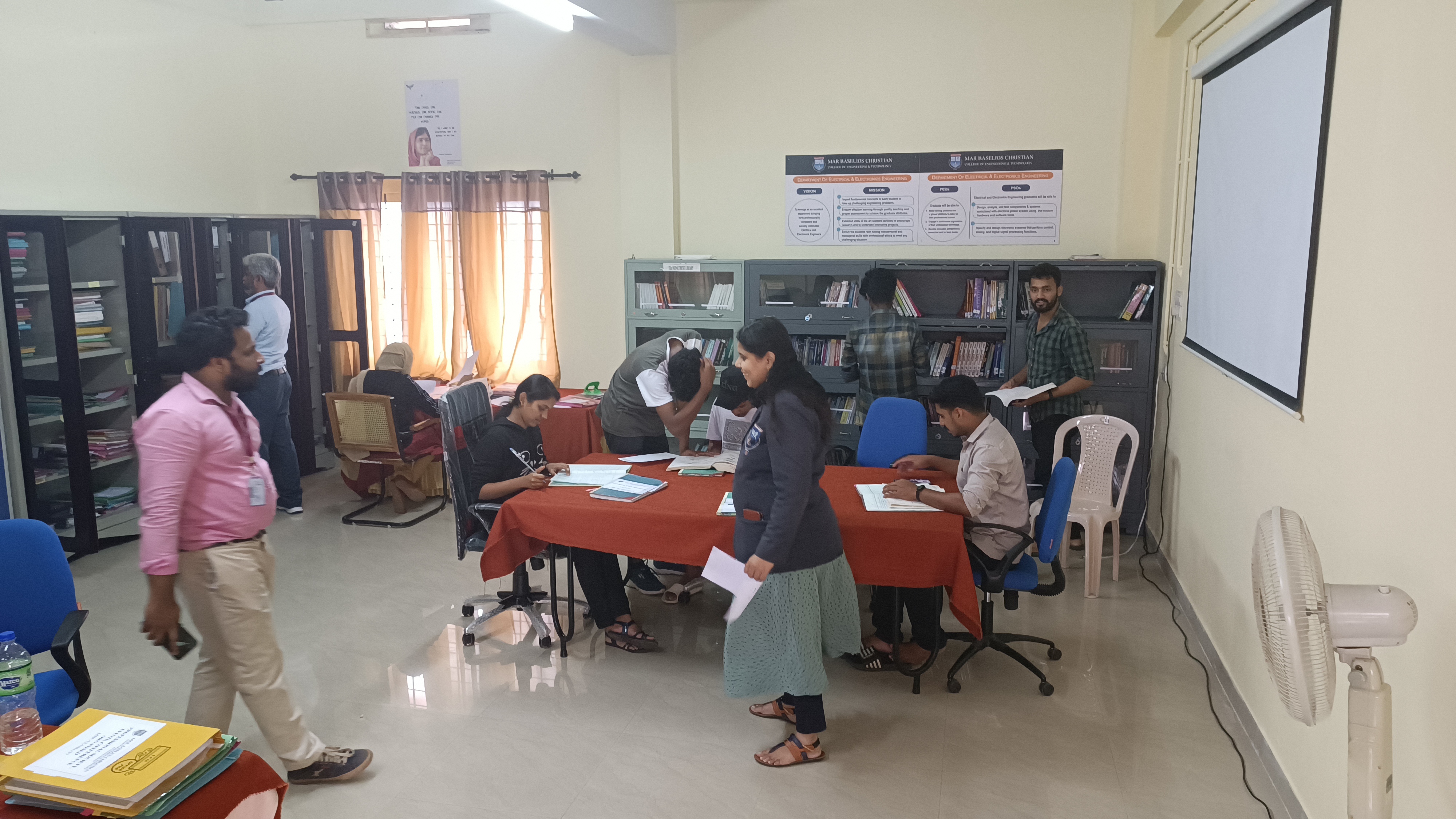
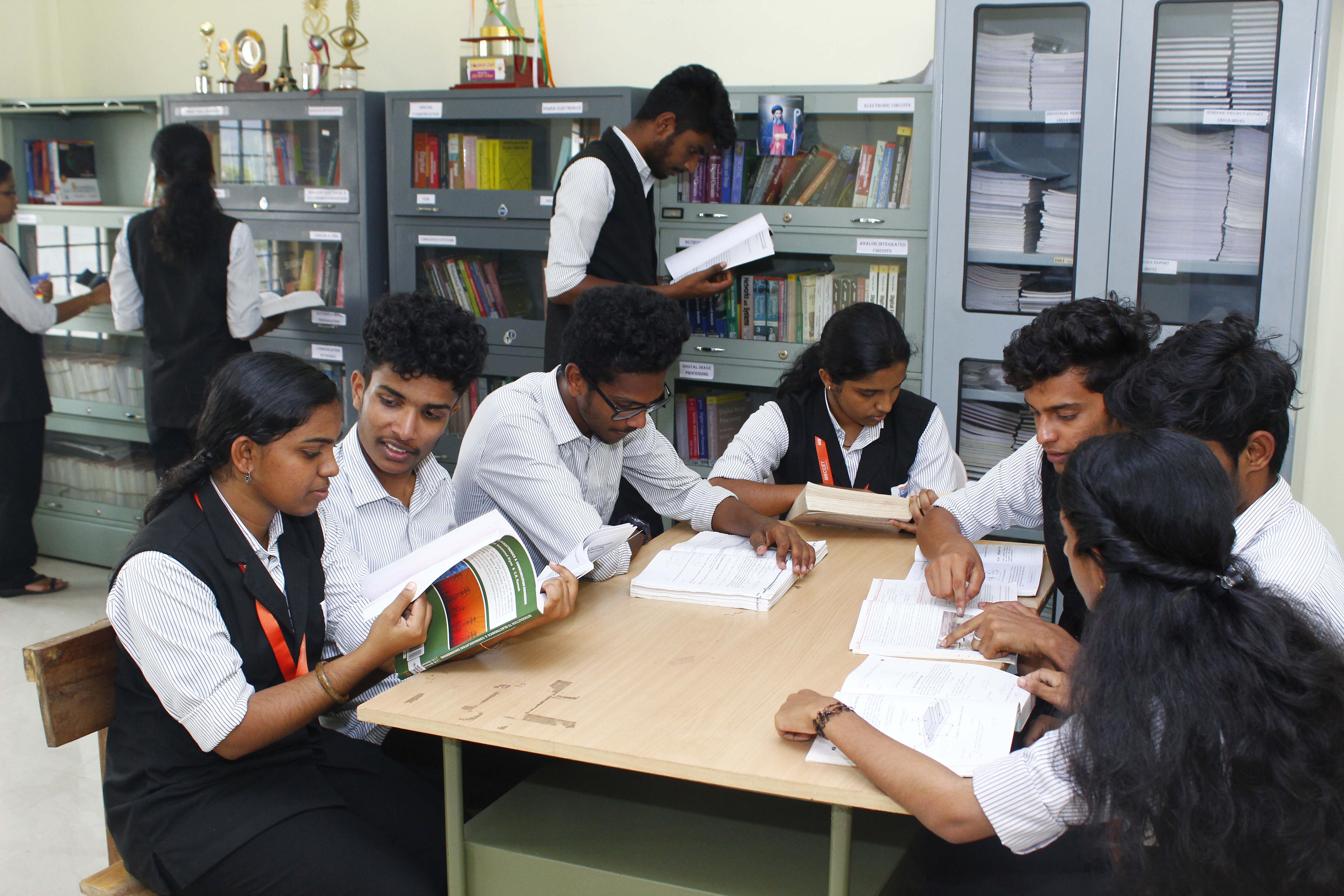
The library offers a wide range of learning resources including a specialized collection of books, journals and magazines. Access is available to all staff and students during working hours. Alumni of EEE have made credible contributions to the development of the departmental library.
The laboratory wing provides students with best-in-class, modern facilities — both curriculum-mandated and research-oriented — to nurture innovation and practical expertise.





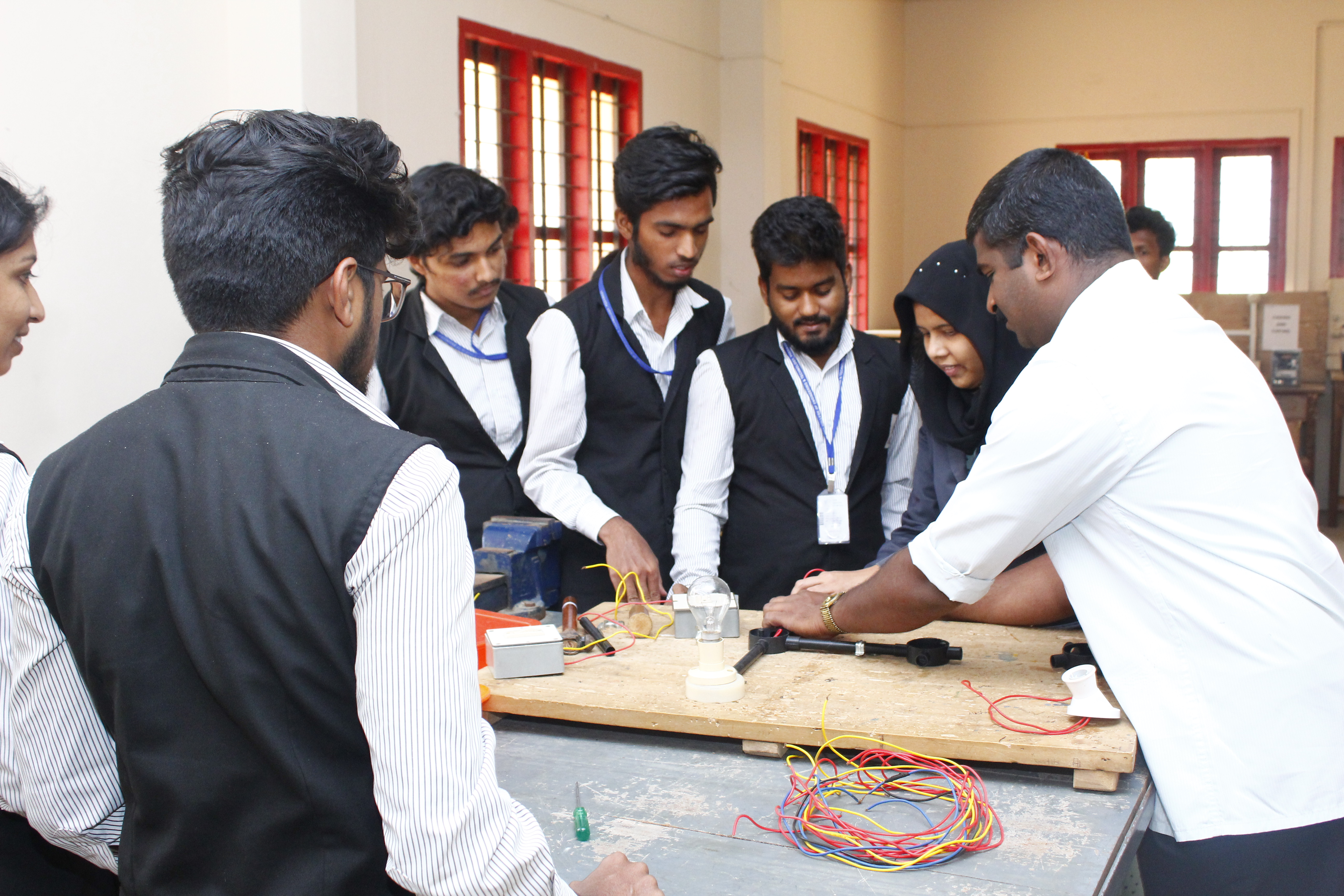
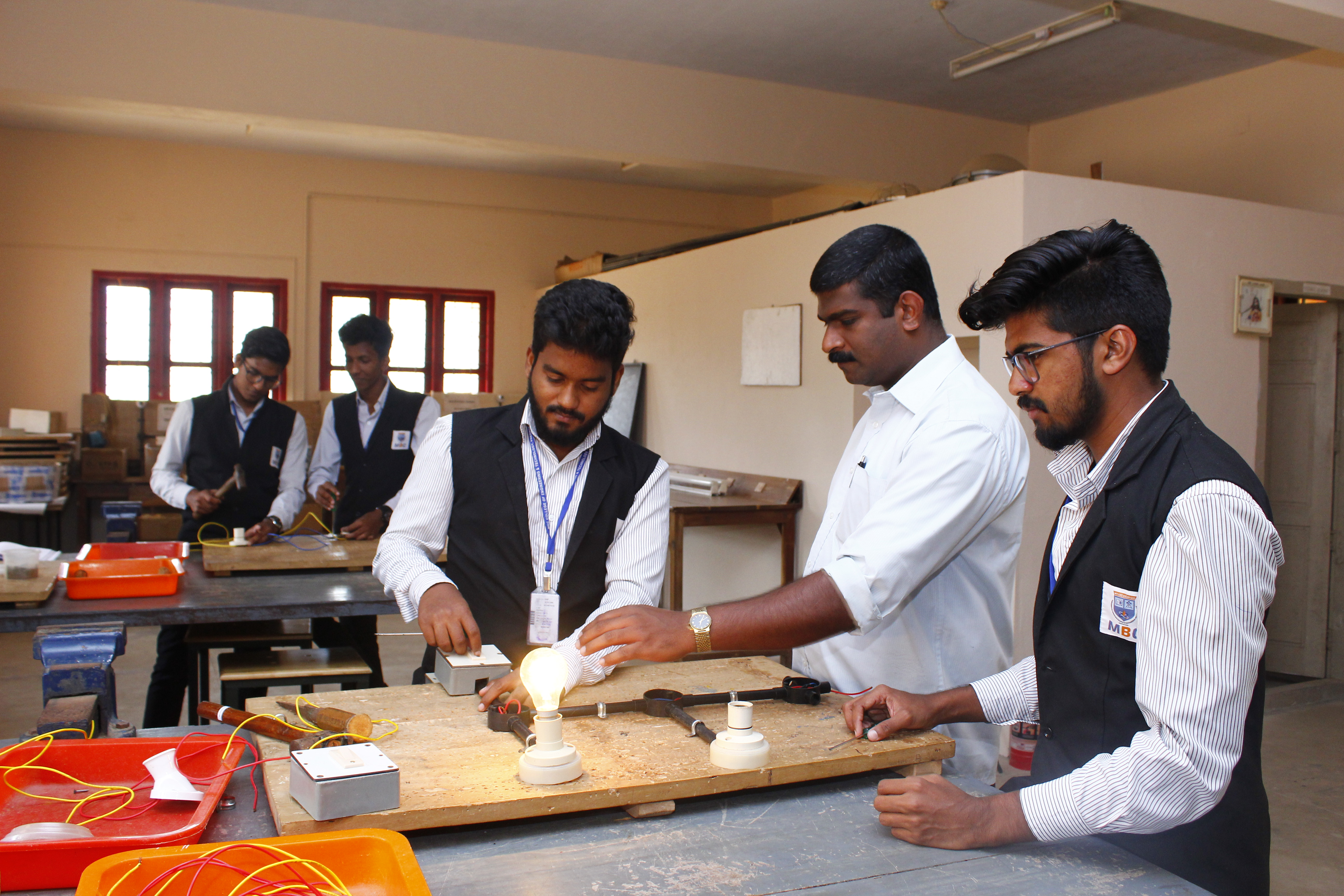
Workshop practice is the backbone of the real industrial environment, developing and enhancing relevant technical hand skills. This lab imparts know-how of hand tools, electrical and electronics equipment in the areas of Wiring Techniques, Soldering Techniques, Basic Network Communication and Electrical Design.
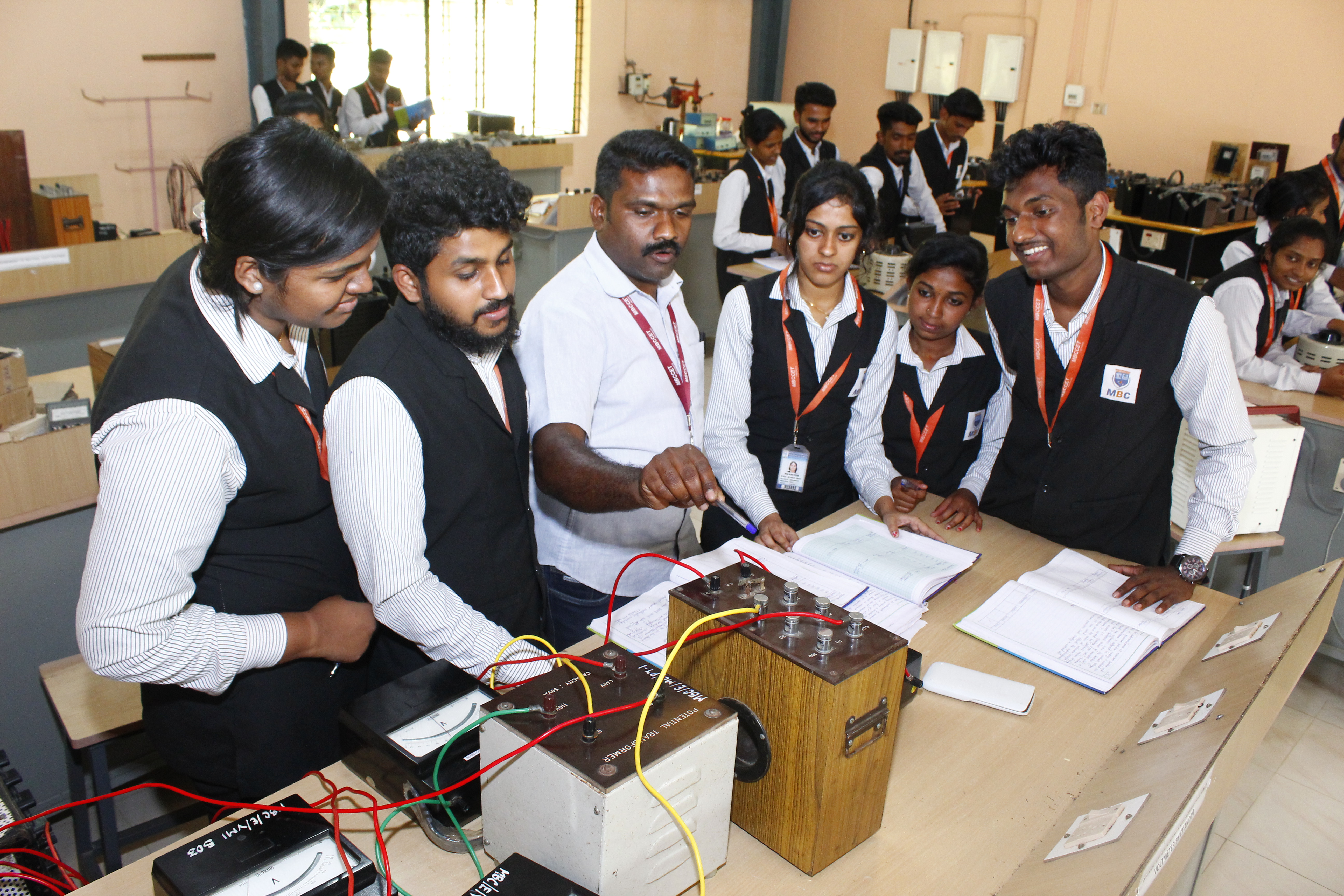
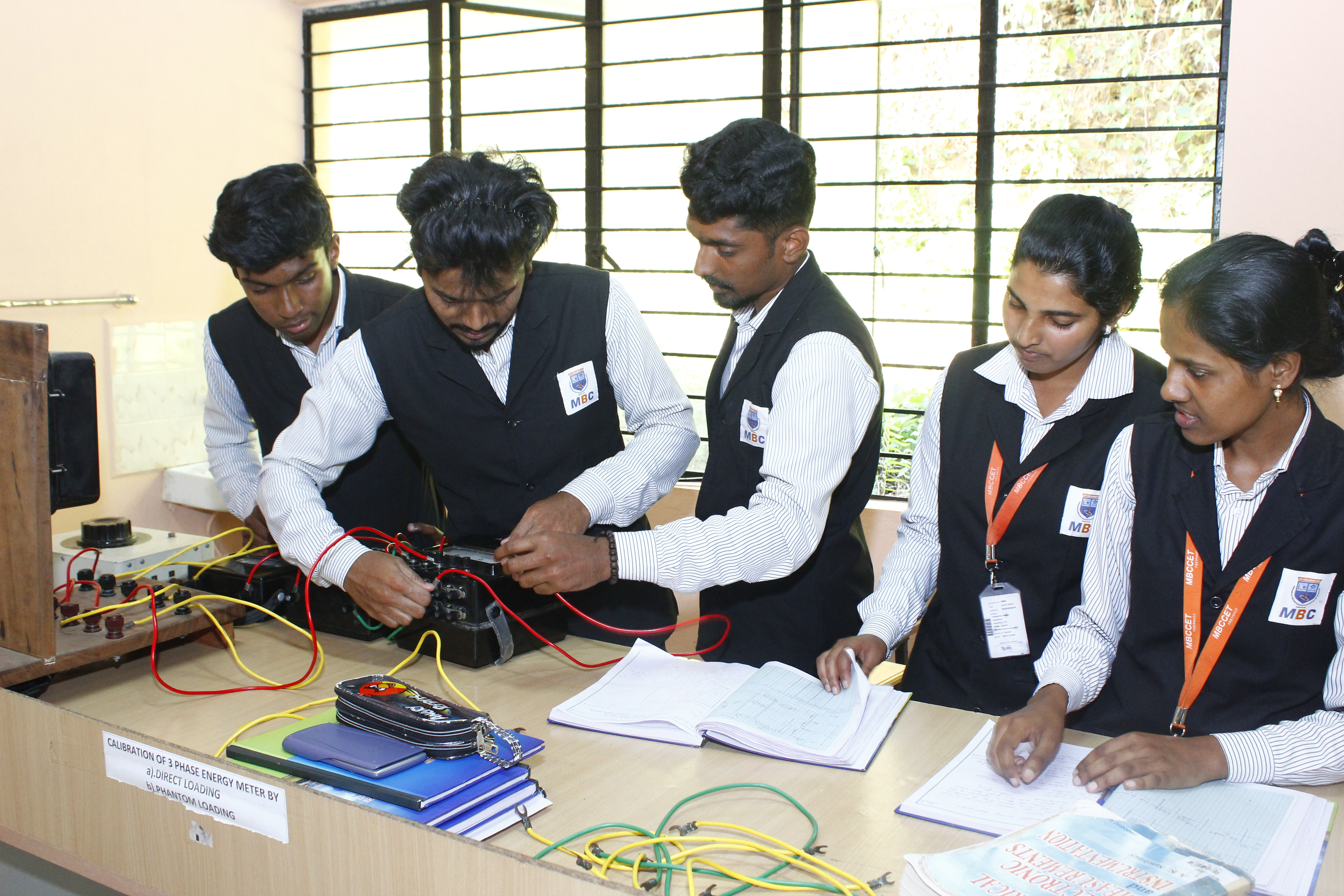
_1772702809.JPG)
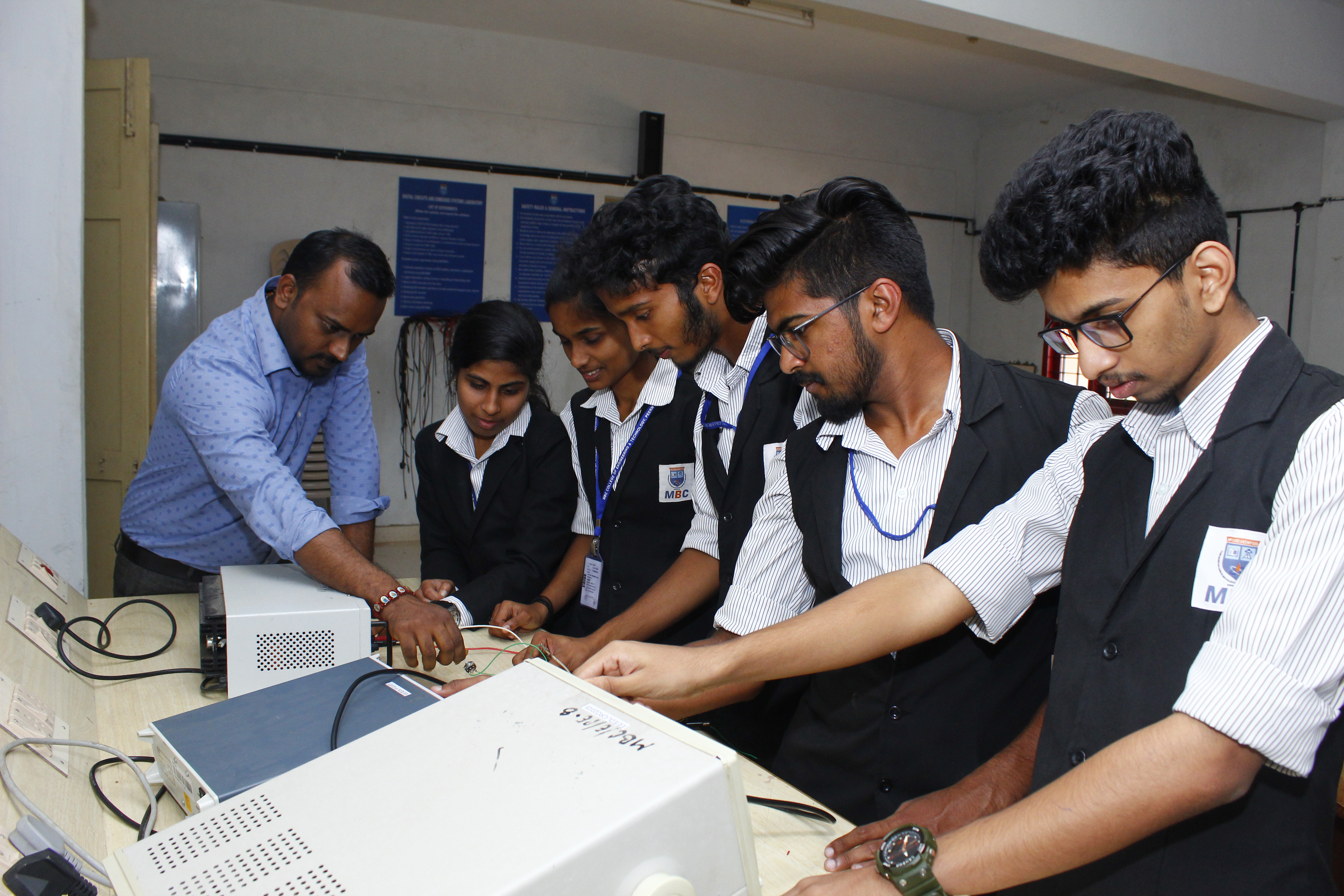
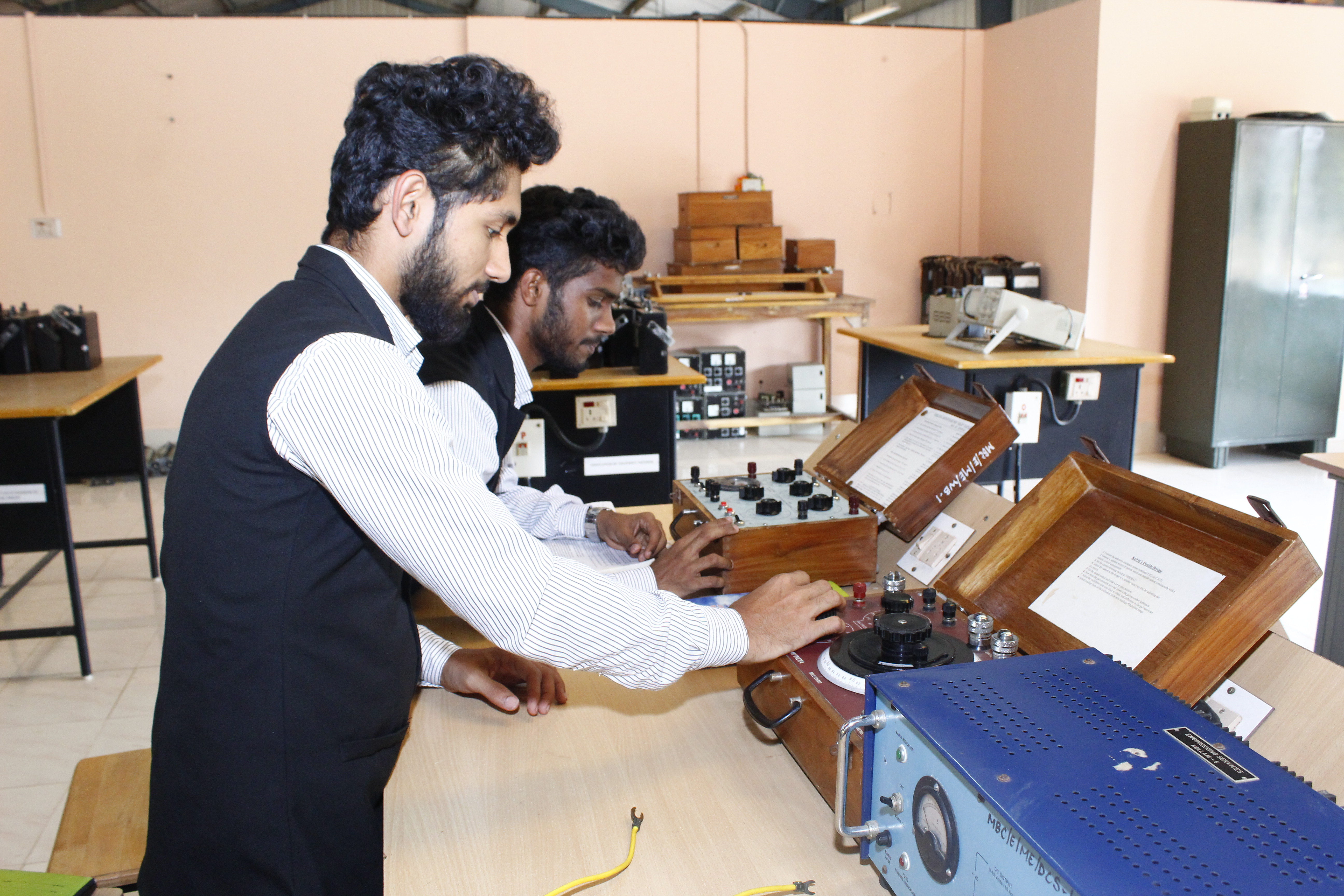
Teaches students measurement of resistance, inductance and capacitance across different ranges, three-phase power and frequency measurement, core loss experiments, and calibration of energy meters, wattmeters and meter range extension.
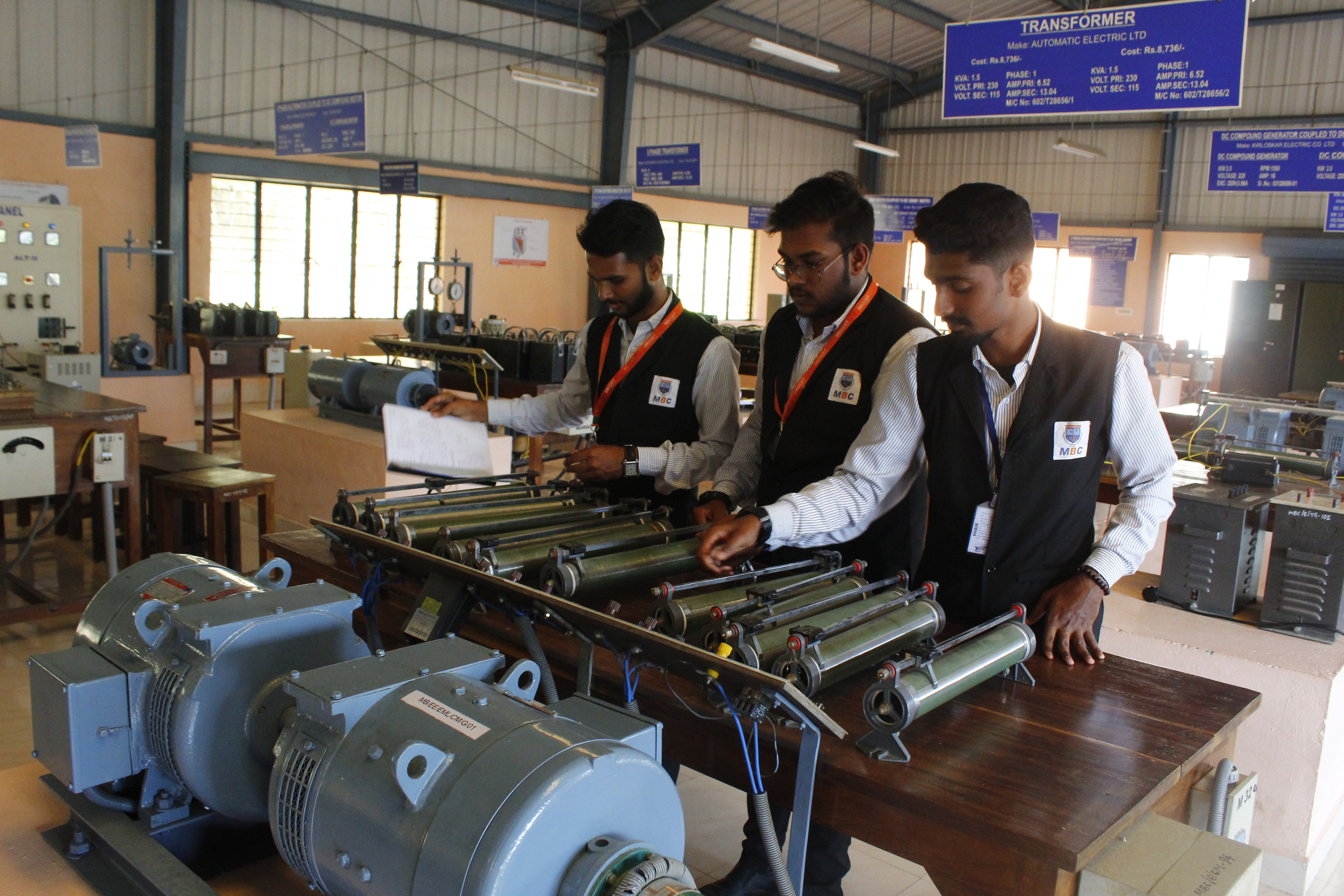
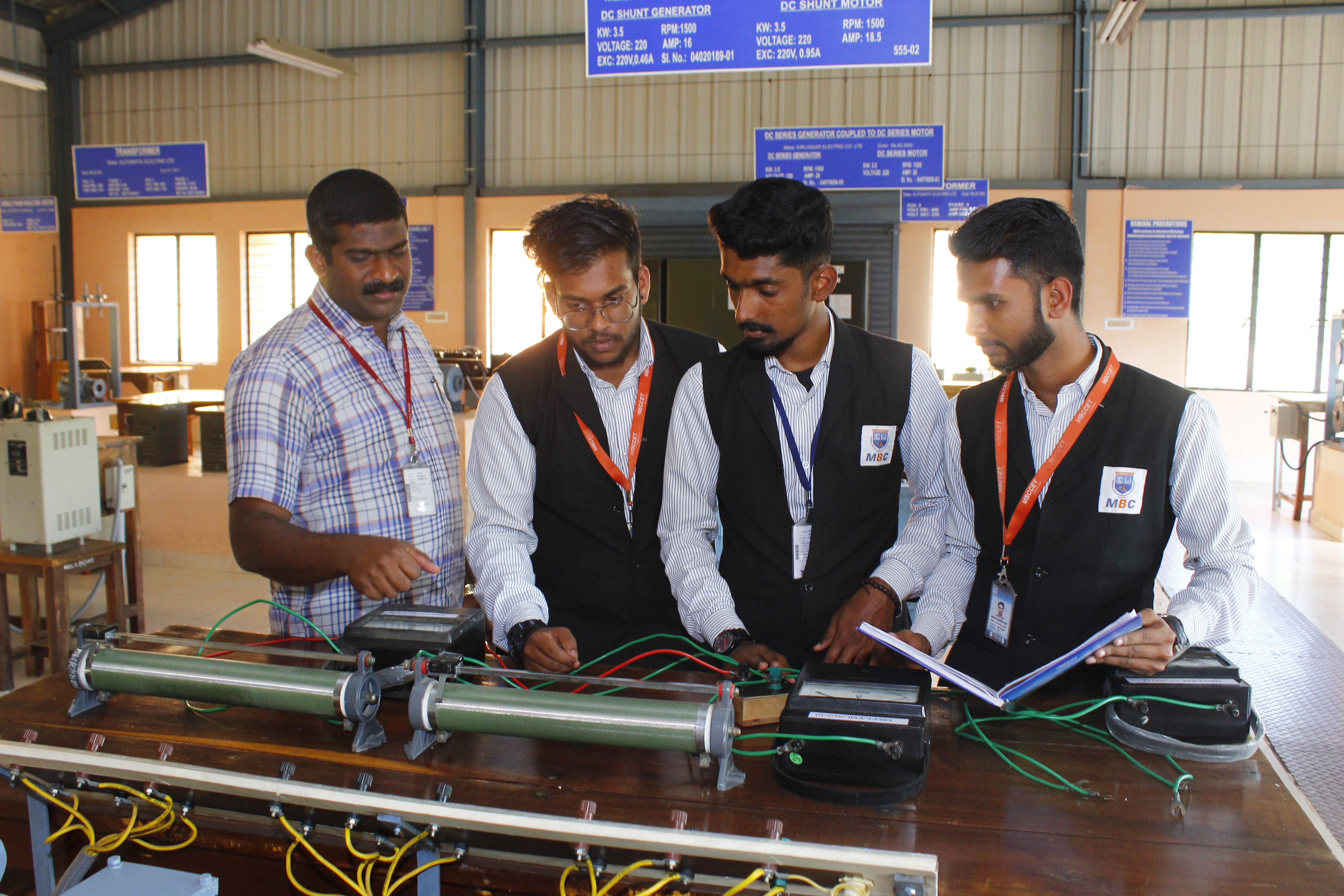
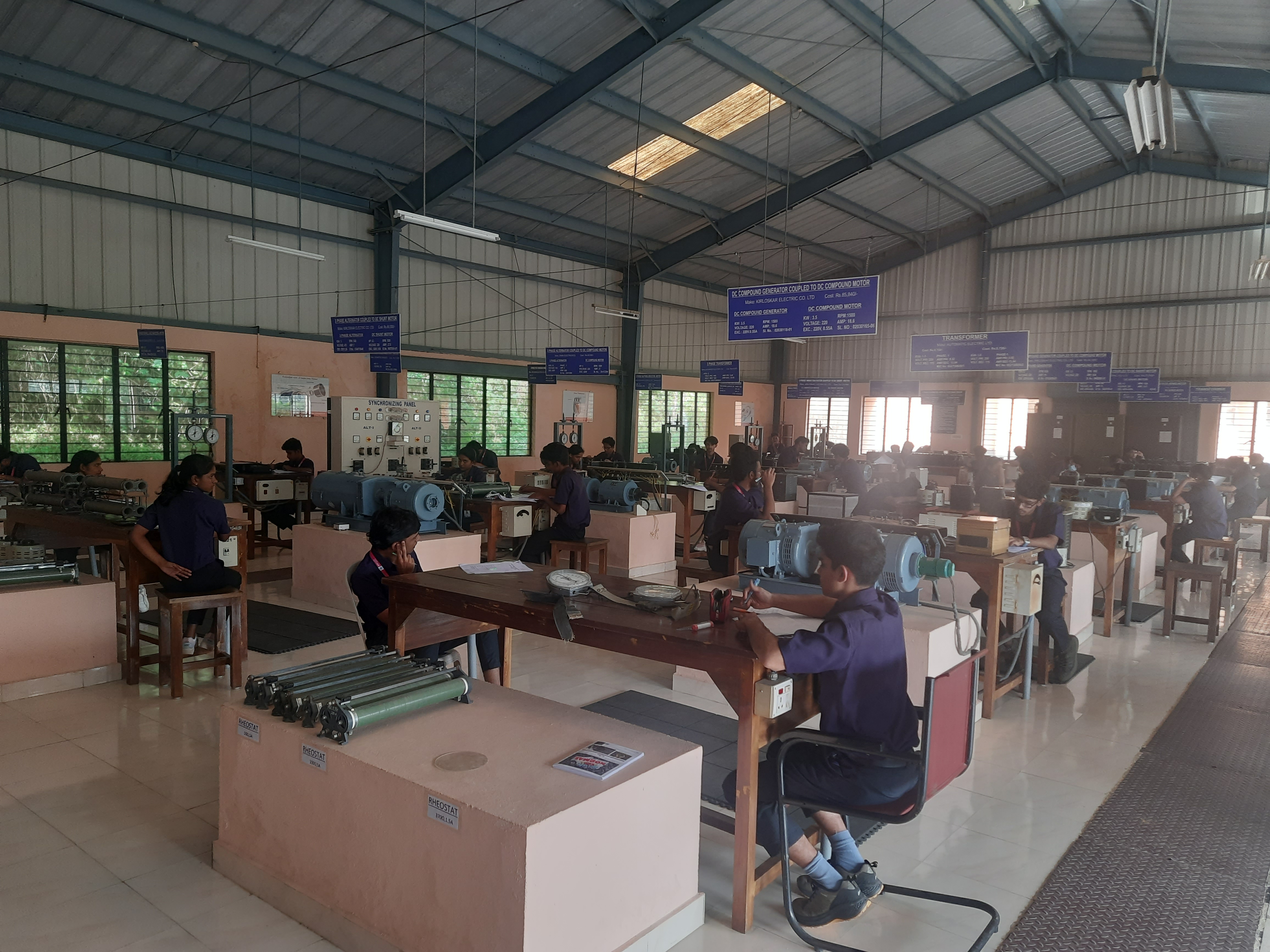
Imparts knowledge on characteristics and behaviour of DC and AC machines. Consists of DC machines, induction motors, induction generators, alternators and synchronous motors, all mounted in an industrial-type assembly to give students an authentic industrial feel.
_1772703378.JPG)
_1772704695.JPG)
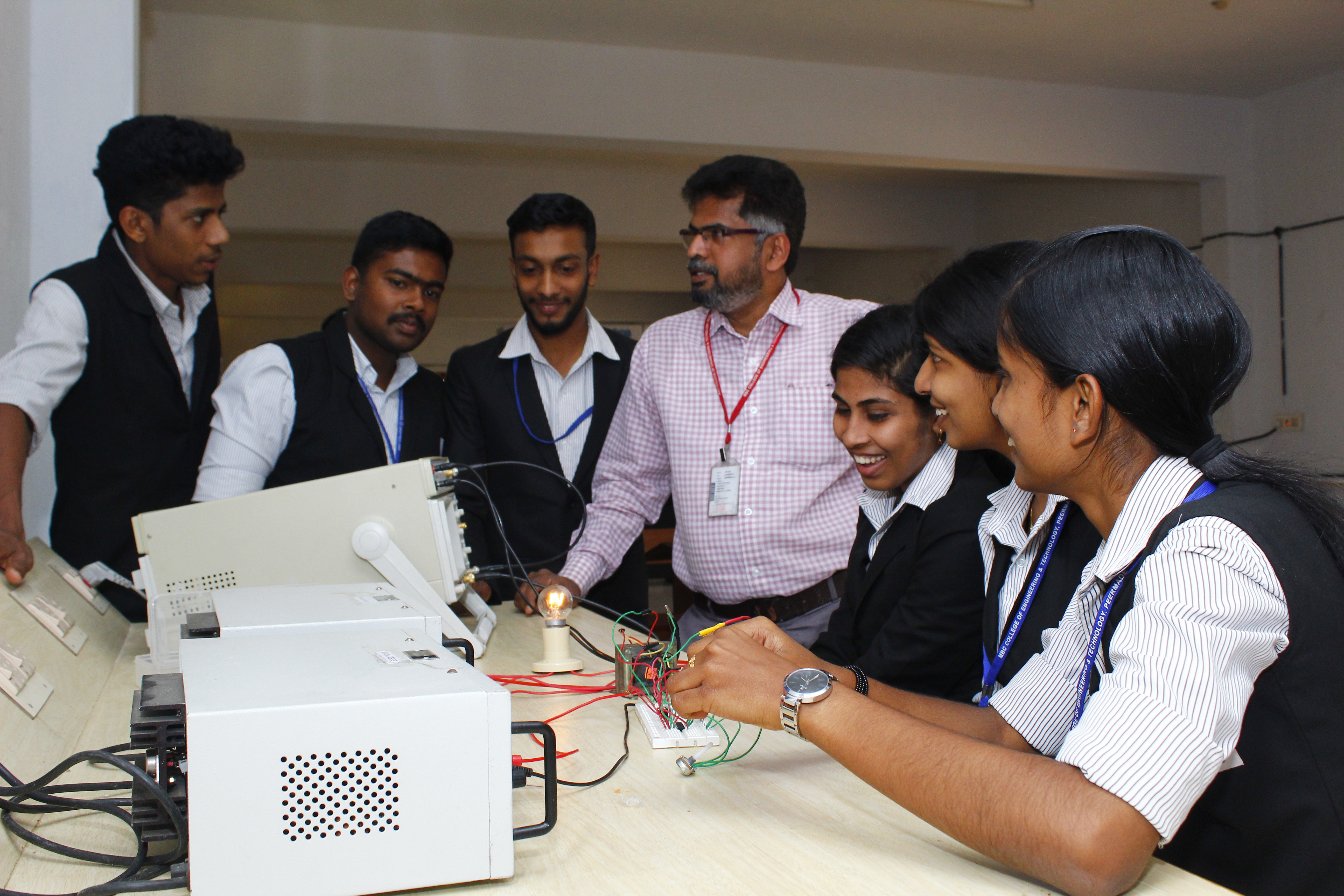
Familiarizes students with Digital Logic Design through combinational and sequential circuits — adders, code converters, multiplexers, flip-flops, counters and shift registers. Also covers data transfer, arithmetic operations, interfacing D/A and A/D converters, and waveform generation.
_1772705068.JPG)
Supports teaching and research in the multi-disciplinary area of power electronics. Students can also utilise this lab for project work. Equipped with converters, choppers and inverters for a comprehensive study of power conversion techniques.
_1772705394.JPG)
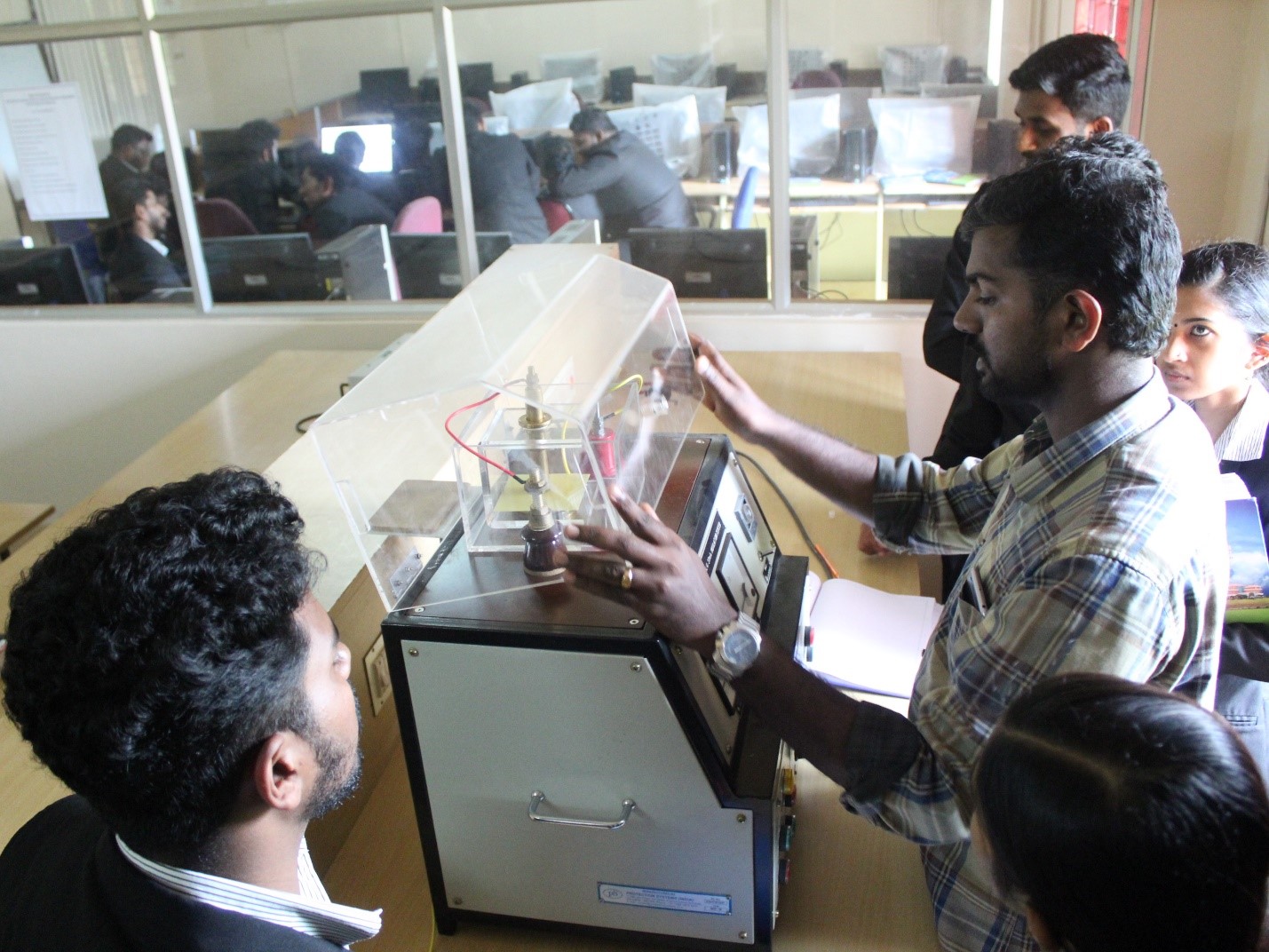
Provides courses in power systems analysis, design and control. Equipped with a 30 kV AC high voltage test set, microprocessor-based relay test sets, transformer oil testing set, cable testing equipment and a full-fledged power system simulation software suite.
_1772705635.JPG)
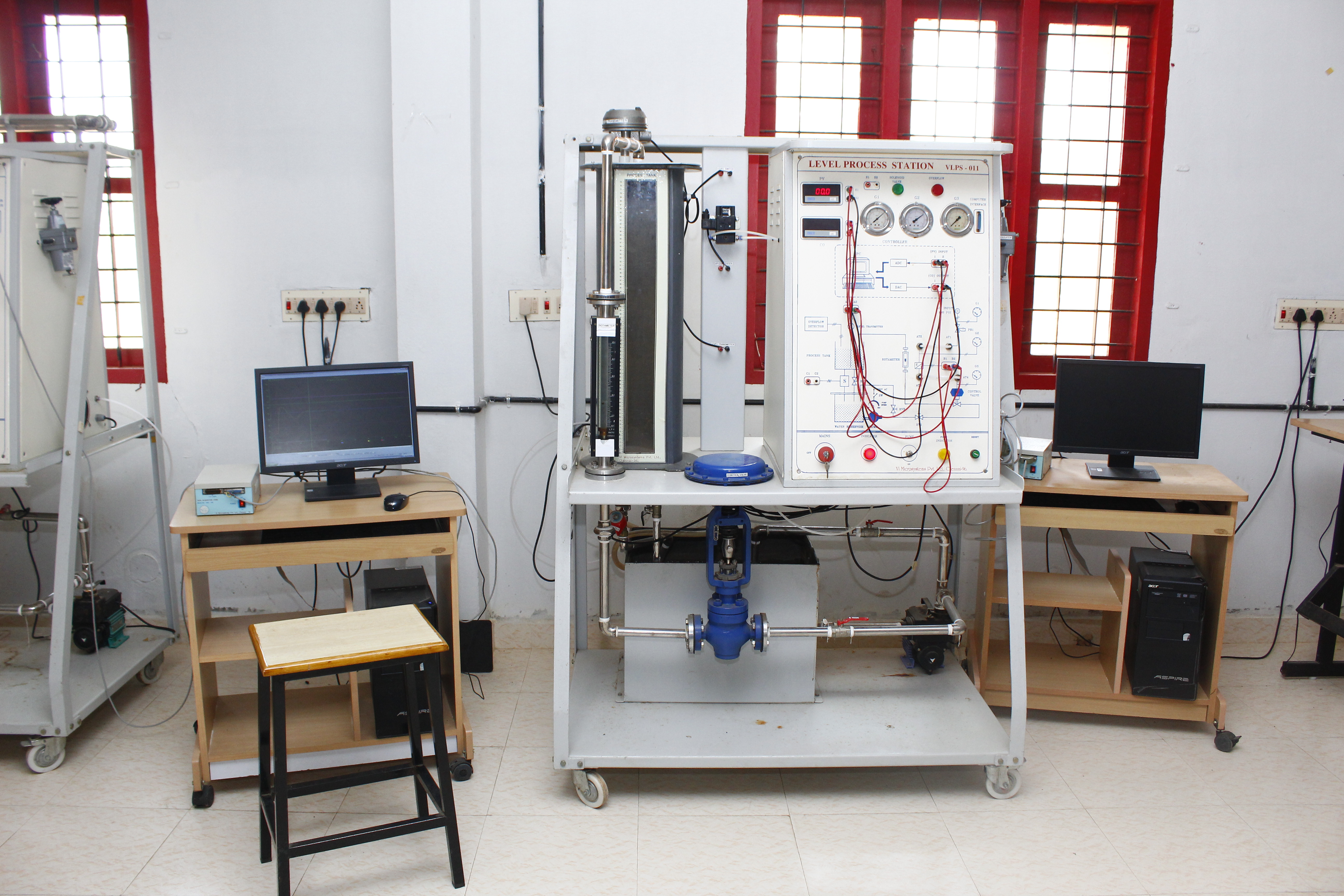
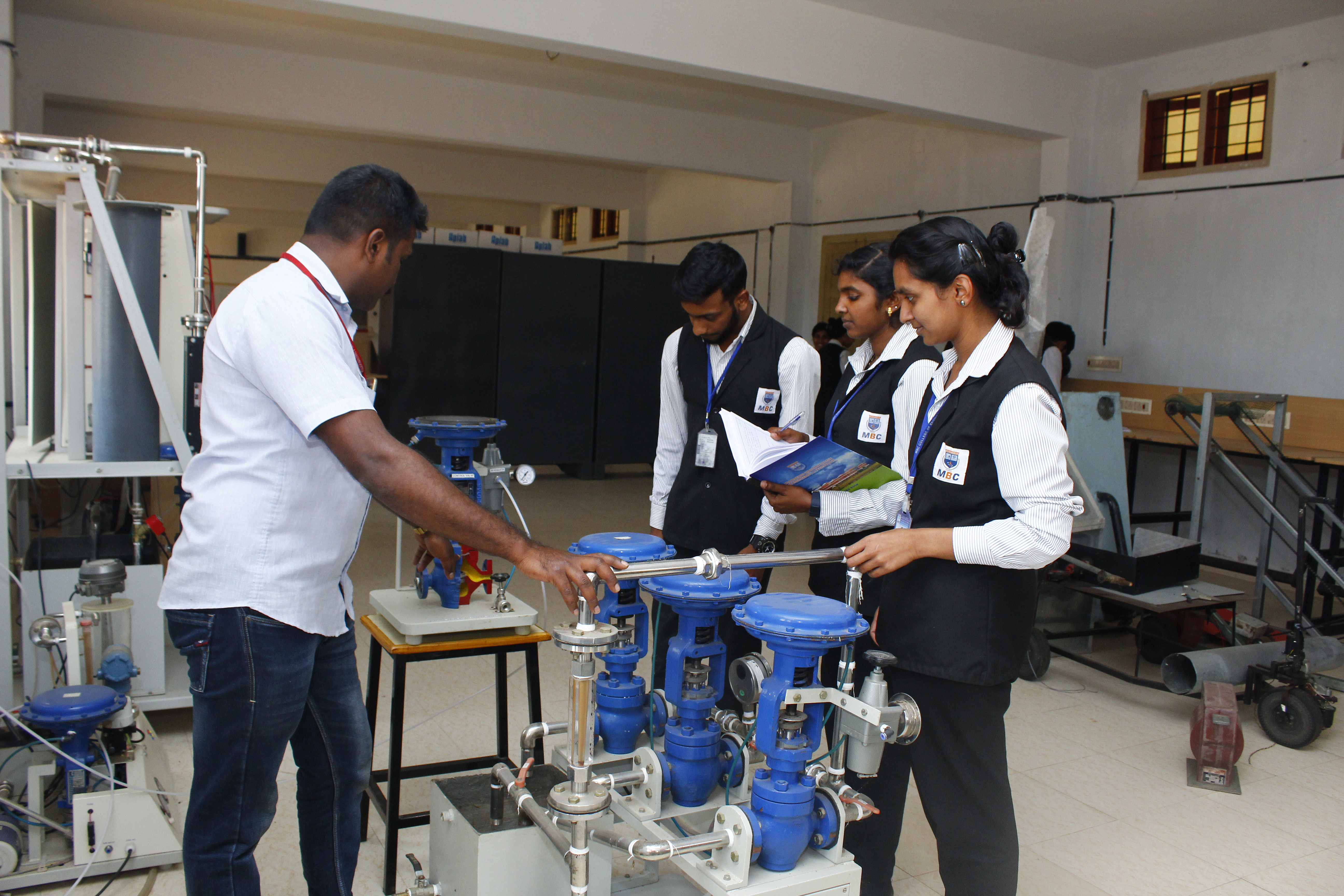
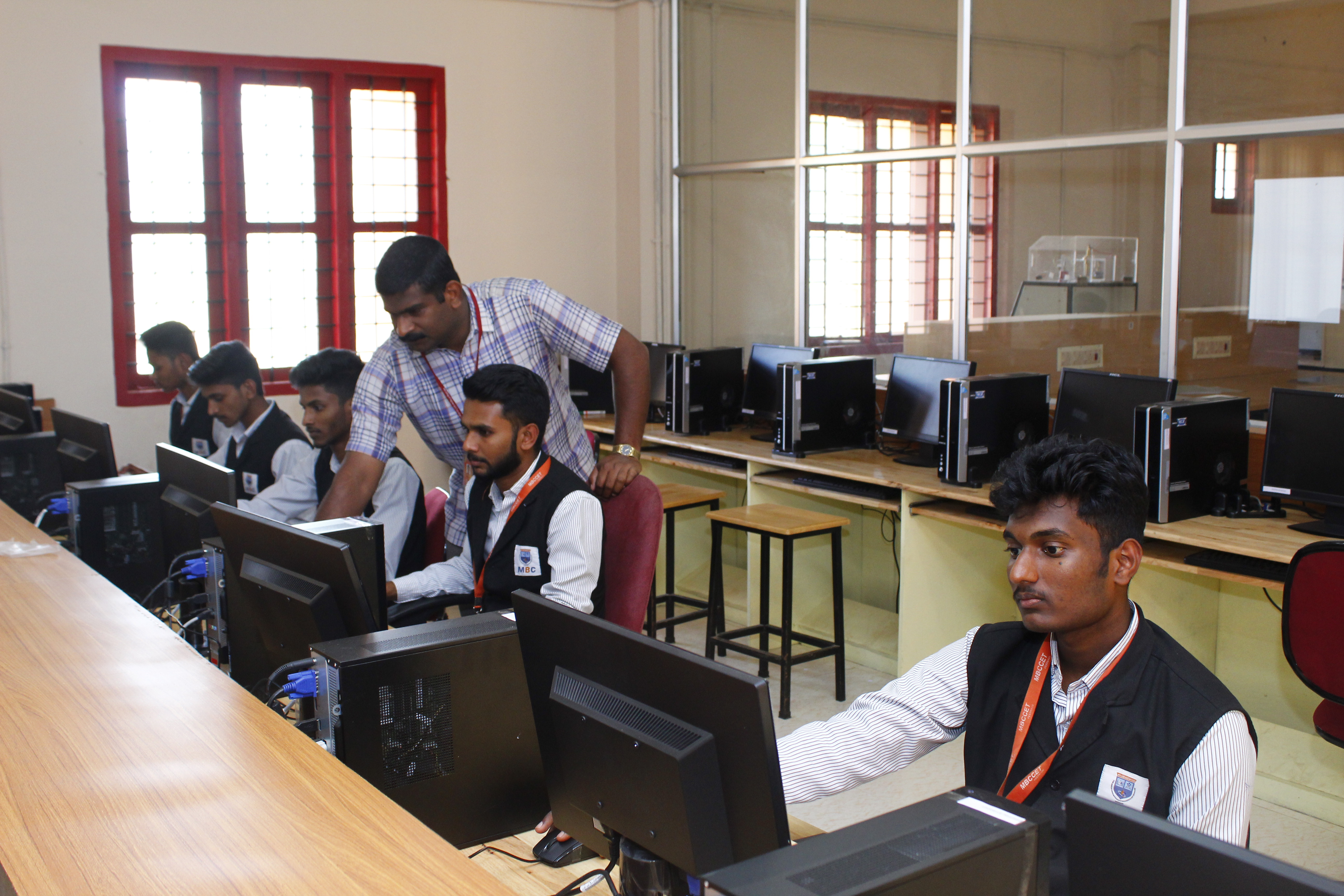
A hands-on environment for understanding control theory. Houses temperature measurement, level detection, pressure and flow measurement instruments, with modern DCS and PLC systems. Uses MATLAB Control System Toolbox, Simulink and LabVIEW for simulation and real-time control. Accommodates 30 students.
A dedicated space for students to prototype, model and demonstrate their engineering designs and project ideas before full implementation.
A dedicated project lab for students to develop, test and refine their final year and research-oriented projects. Supports innovative project development and collaboration with faculty guides.
The EEE Department's laboratories and infrastructure directly contribute to seven UN Sustainable Development Goals — from clean energy research to inclusive quality education and innovation.











9 specialized laboratories, a rich departmental library, and modern infrastructure — everything an EEE student needs to learn, experiment and innovate.


